
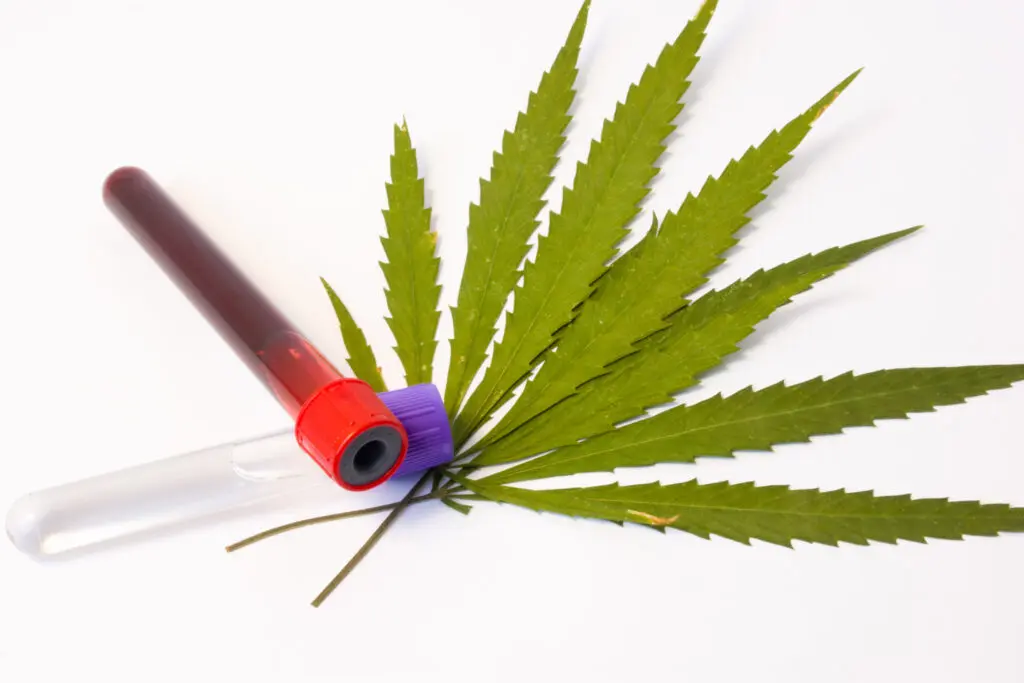
In recent years, the general population has experienced a shift in its view of marijuana as many states now permit its recreational and/or medical use. This legal evolution has led to increased accessibility of marijuana products, including edibles, beverages, vapes, and other forms. As these products become increasingly available each year, employers face new challenges in maintaining a safe and productive workforce. By understanding the implications of marijuana legalization, employers can uphold workplace safety standards while simultaneously navigating the complexities of compliance and liability.
The New Reality: Marijuana Use In the Modern Workforce
Many employers conduct drug tests, sometimes after significant events, like an acquisition, and this can reveal drug use on the job. The decision of whether to fire an employee or let them stay has traditionally been straightforward, but that’s no longer the case.
The shift toward marijuana has been shown even in extremely physical environments. According to Sports Illustrated, World Wrestling Entertainment (WWE) has removed it from its list of banned substances, and wrestlers themselves have come out in support of this decision.
“Because it’s more legal, they’ve kind of accepted it,” says WWE Superstar Mia Yim. “So, before, that used to be — marijuana used to be on the drug list, and they took that off a couple of years ago. So, when I get home on Saturdays, I’ll do that and just chill out all day, and then I get back into the gym on Sunday. Sunday through Wednesday, I work out.”
The action by WWE aligns with the viewpoint of TKO Group sister company the Ultimate Fighting Championship (UFC), which removed marijuana from its anti-doping policy in 2021. This all reflects the legal changes on the topic of marijuana over the recent years. U.S. News & World Report states that a total of 24 states have legalized recreational marijuana. For medical use, this number increases substantially to a total of 40 out of 50 states. As acceptance has grown, it’s fair for employers to question the safety of their staff and their personal liability.
Safety and Liability Concerns for Employers
As the legalization and accessibility of marijuana have increased, so have its associated safety concerns. Research from the National Institutes of Health (NIH) confirms that its consumption can impair cognitive function on a multitude of levels, “such as the ability to plan, organize, solve problems, make decisions, remember, and control emotions and behavior.” This can increase the risk of accidents and endanger not only employees but also the public. With workers constantly present in hazardous conditions, having hesitations about accepting marijuana use is valid.
Even though employers may have their own preference for or against marijuana, they must be aware of the federal and state regulations. Since it’s medically or recreationally legal in many states, this can sometimes automatically affect company policies. For organizations that receive federal funding, they’re subject to additional safety requirements through the Drug Free Workplace Act (DFWA). According to Reinhart, “the DWFA requires all federal grant recipients and federal contractors with a contract of $100,000 or more to maintain a drug-free workplace. Although the DFWA’s requirements only apply to employees who are directly engaged in the performance of work pursuant to the federal grant or contract, it is often easier for employers to implement company-wide policies with respect to drug use.”
Aside from federal funding, the Occupational Safety and Health Administration (OSHA) doesn’t have a standard in terms of alcohol or drug use. But they do support drug testing for certain workplace environments, especially those involving the operation of heavy machinery. While employers may be off the hook when it comes to OSHA, there’s one more thing they should pay attention to, and that’s their insurance provider. Since some insurers operate across state lines, they may have specific stipulations regarding the use of drugs. Failing to obey them can impact the ability to secure or maintain coverage, as the federal Controlled Substances Act considers cannabis a Schedule I substance.
While recent research has found that after-hours cannabis use has no impact on workplace performance, the same can’t be said for workplace use. As previously stated, it can have a severe effect on cognitive performance, depending on the level of consumption. The National Drug & Alcohol Screening Association (NDASA) says that marijuana can cause employees to be “slow, sluggish, and forgetful.” Overall, this can lead to an increase in errors and a decrease in productivity. In total, the NDASA has calculated that businesses lose $81 billion due to drug use, and $25 billion of which goes to healthcare costs, and the rest to lost work and productivity.
Unfortunately, marijuana can cause enough of an impact to make users skip work entirely. NMS Health has found that “employees who reported cannabis use in the past month were more likely to miss work compared to those who had never used cannabis. Specifically, those who used cannabis once or twice a month were 57% more likely to skip work, while those who used it 20 to 30 days a month were 83% more likely to miss work.”
The financial and reputational consequences for organizations must be taken seriously. Fortunately, it’s relatively easy to mitigate these risks through implementing clear policies, educating employees about expectations and outcomes, and providing support resources that encourage both safety and compliance.
Developing a Comprehensive Drug-Use Policy
Establishing a company-wide drug testing policy can be a challenge. That’s why employers must find the balance between maintaining fairness for all employees and addressing the safety risks associated with specific positions. For roles that involve operating heavy machinery, driving, or other physically demanding tasks, stricter policies may be the most suitable approach. In fact, a HireRight study found that one-third of respondents only tested specific roles.
At the same time, no company wants to unfairly penalize employees who use marijuana legally and responsibly outside of work hours. That’s one of the downsides of current drug testing technologies. The Society for Human Resource Management (SHRM) notes that no test can detect the level of impairment. Since cannabis naturally goes to fat cells, there’s no telling if there was use in the last few days or the last few weeks. It’s even more challenging to determine if someone was using marijuana on the job.
For this reason, employers can struggle to ensure a safe environment while respecting employees’ legal off-duty use. If a policy is improperly developed, employees may feel that testing invades their privacy, especially if they’re in a state where marijuana use is legal. Employers must carefully work with their human resources department to navigate state laws that protect workers from discrimination based on lawful off-duty conduct, as well as broader privacy protections. Avoiding this can lead to legal consequences, but it can also contradict the retention-focused culture employers work so hard to create. For more information on building a retention-focused culture for Fire and Life Safety technicians, visit this link.
If an employee tests positive for marijuana, it’s essential to have consistent enforcement and support resources. One of which is an Employee Assistance Program (EAP). This is defined by the U.S. Office of Personnel Management (OPM) as a “voluntary, work-based program that offers free and confidential assessments, short-term counseling, referrals, and follow-up services to employees who have personal and/or work-related problems. The in-house or outsourced counselors also collaborate with managers and supervisors to address the employee’s unique challenges and needs, helping them get back on the right track. That said, clear communication and employee education are, without a doubt, two of the most crucial aspects of developing and implementing any policy, such as this.
Conclusion
As social and legal aspects surrounding marijuana change, the approach to employer policymaking should as well. Instituting a comprehensive drug-use policy is no longer just about checking a box; it’s about ensuring a safer environment. It’s a necessary step in protecting the workforce from potential impairment risks while also respecting the rights of employees who use marijuana legally and responsibly outside of work hours. Given the importance of these matters, business leaders must regularly reevaluate and update their drug-use policies to ensure their clarity, fairness, and legality are up to par. Prioritizing both safety and compliance fosters a productive work environment that mitigates liability and lays a solid foundation for success.
Image via Shutterstock.