
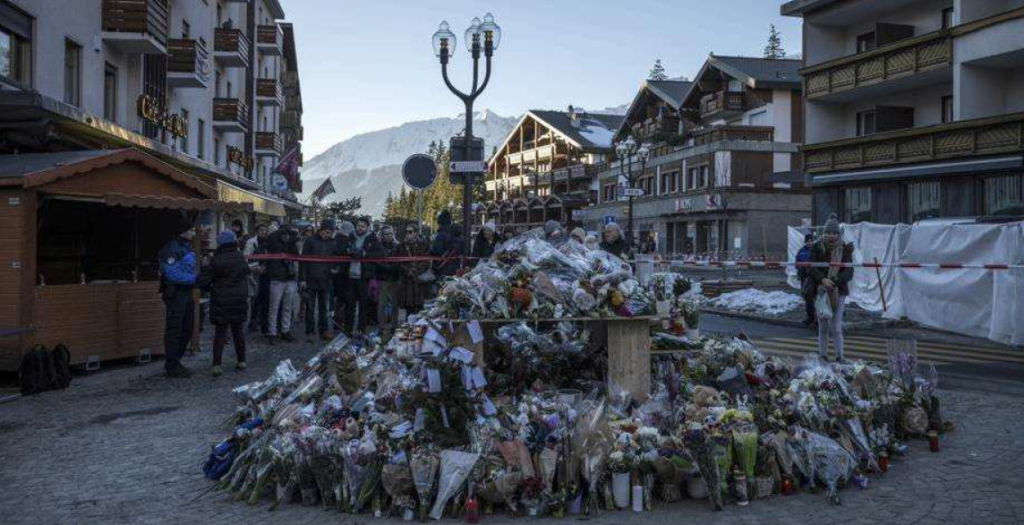
Shortly after ringing in the new year, those attending a Swiss nightclub were struck by tragedy when a fire broke out, leading to a significant loss of life and raising urgent questions about fire safety in public venues. According to the Boston Globe, the Le Constellation fire began around 1:30 a.m. and killed at least 40 people, becoming one of the worst disasters in the country’s history. Avoidable hazards such as sparklers shooting foot-long flames, a ceiling covered in flammable foam, and a crowded basement with a narrow staircase exit are partially to blame. Investigators may not have yet provided an account of the fire’s origin, but news reports suggest it involved the same safety lapses seen in other nightclub fires around the world. That said, this article will dive deep into other incidents over the years and compare them to this most recent tragedy.
Cocoanut Grove Nightclub: Boston, 1942
The tragic Cocoanut Grove fire occurred in Boston on Nov. 28, 1942. To this day, it remains one of the deadliest nightclub fires in history. The National Archives describes how the flames took the lives of 492 people after an electrical short ignited artificial palm trees. The flammable decor fueled the fire’s rapid spread. All the while, guests and employees were unable to leave due to locked or blocked exits and revolving doors that became inoperable under pressure. This disaster led to significant changes in fire codes and enforcement across the United States.
The Station Nightclub: Rhode Island, 2003
On Feb. 20, 2003, a fire broke out at The Station nightclub in West Warwick, RI, during a performance by the band Great White. The Building Safety Journal reports that pyrotechnics ignited acoustic polyurethane soundproofing foam. Because of this, the fire spread within seconds, thereby filling the venue with toxic smoke and killing 100 people. In addition, many concertgoers were unable to find or reach exits amid the chaos. This fire specifically drew national, widespread attention to the dangers of pyrotechnics in enclosed spaces and the importance of proper emergency egress.
Lame Horse Nightclub: Russia, 2009
On Dec. 5, 2009, the Lame Horse nightclub in Perm, Russia, became the scene of one of the country’s worst fire disasters. The Guardian claims that pyrotechnics ignited a plastic ceiling, causing the fire to fill the club with thick, deadly smoke. Overcrowding and blocked exits left many unable to escape. These factors resulted in the deaths of 156 people and the arrest of the owners.
Kiss Nightclub: Brazil, 2013
In the early hours of Jan. 27, 2013, the Kiss nightclub in Santa Maria, Brazil, was engulfed in flames after Gurizada Fandangueira’s pyrotechnic display lit up the ceiling’s foam insulation. From there, CNN says the fire rapidly progressed, as well as the toxic gas, which led to the deaths of at least 231 people. Overcrowding and inadequate emergency exits are arguably to blame for the tragedy, as patrons became trapped inside the burning building.
Colectiv Nightclub: Romania, 2015
On Oct. 30, 2015, the Colectiv nightclub in Bucharest, Romania, experienced a catastrophic fire during a Goodbye to Gravity concert. Euronews explains that since pyrotechnics were used indoors, they ignited the acoustic foam, which wasn’t properly fireproofed. The result of this was more than 25 fatalities and hundreds of injuries. The Colectiv fire sparked nationwide protests and brought international attention to fire safety standards and enforcement issues. A total of 61 years in prison was handed down to eight people found responsible.
Pulse Nightclub: North Macedonia, 2025
On March 16, 2025, a deadly fire broke out at the Pulse nightclub in North Macedonia. Sparked by pyrotechnics, it claimed the lives of 59 and injured over 150. NFPA indicates that, as in the previously mentioned incidents, the fire spread as quickly as it did due to combustible materials on-site. This was, of course, worsened by evacuation challenges, including insufficient signage and a lack of emergency exits. The venue also reportedly lacked permits and failed to comply with NFPA 1126 and other standards.
Common Threads and Lessons Learned
When analyzing these incidents, including the Switzerland nightclub fire, several common themes emerge. The rapid spread of these fires was often fueled by highly combustible materials, such as untreated polyurethane foam or plastic decor. Whether for entertainment or celebratory purposes, pyrotechnics are usually identified as the ignition source. In every case, inadequate or poorly marked exits and overcrowding severely hindered evacuation efforts. To be prepared, take practical steps from NFPA’s Safety Tip Sheet for Public Assemblies to reduce the risk.
Image via the Boston Globe.